Frequent AC Repairs: How to Recognize When Your System Requires Service
Air conditioning units are vital for maintaining comfort, particularly during the warmer months. Nevertheless, these systems can encounter problems that reduce their effectiveness. Indicators including poor cooling, strange odors, or unusual noises commonly signal that repairs are needed. Understanding these warning signals is essential for homeowners. Taking action to diagnose these issues can result in prompt solutions and enhanced system efficiency. What are the most common signs to watch for?
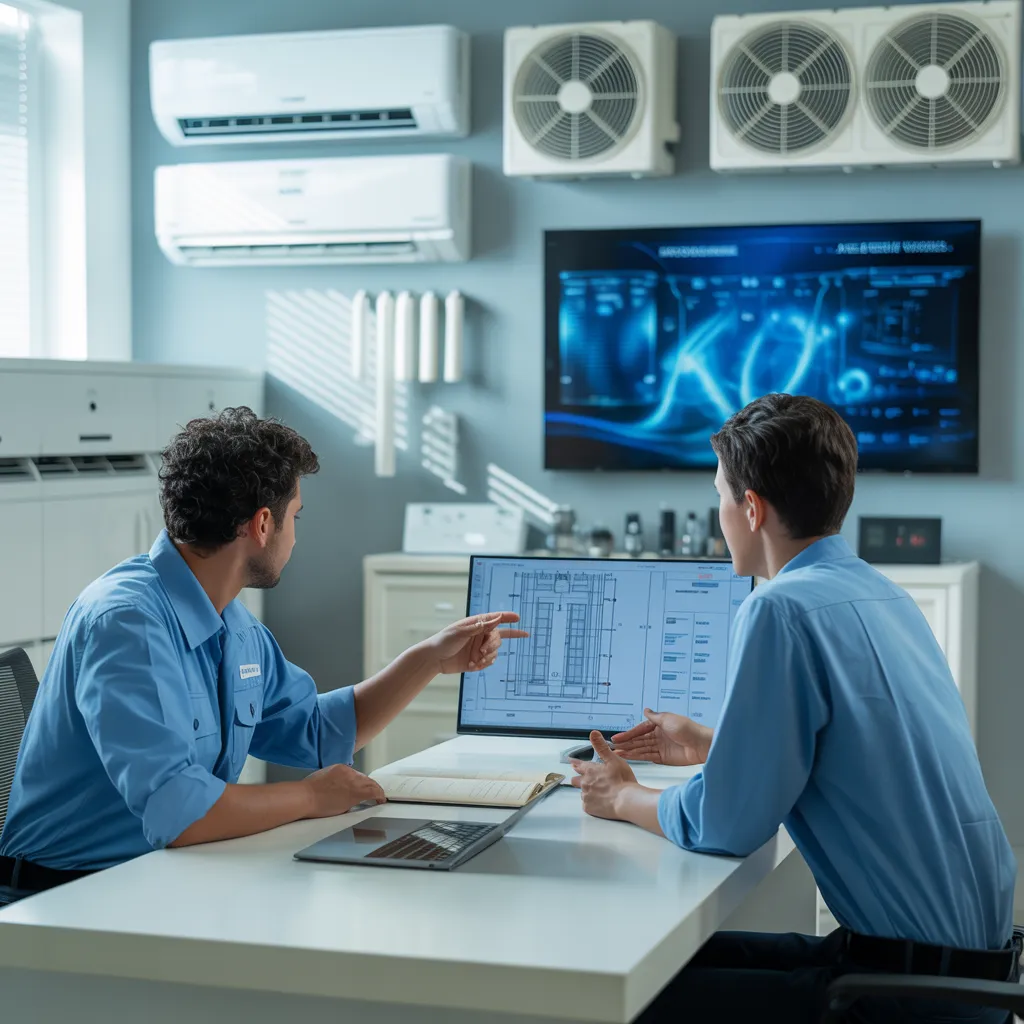
Key Indicators Your AC Requires Repair
How can homeowners determine when their air conditioning units are in need of repair? Recognizing the signs of a malfunctioning air conditioning system is vital for maintaining comfort and efficiency. One of the first indicators is inadequate cooling; if the unit struggles to maintain the set temperature, it may need attention. Homeowners should additionally be alert to strange smells coming from the vents, which get more info may indicate problems such as mold growth or electrical faults.
Additionally, higher utility bills despite no changes in usage behavior can suggest inefficiency, implying that repairs may be necessary. The repeated cycling on and off, commonly called short cycling, can also signal an underlying issue. Lastly, condensation forming around the system or unfamiliar noises such as hissing or bubbling, can reveal underlying complications. Tackling these warning signs quickly can assist homeowners in preventing more significant repairs and make certain their AC systems run at peak performance.
What Are the Reasons Your AC Is Making Unusual Noises?
Strange noises from an air conditioning unit often indicate deeper problems that need to be addressed. Common sounds include rattling, which may suggest loose components or debris within the system. Hissing noises can point to coolant leaks, which can reduce performance and cause additional harm. A grinding sound often signals failing bearings or motor-related complications, whereas a high-pitched squealing noise can suggest issues affecting the compressor or fan unit.
Additionally, if an air conditioning unit produces a steady buzzing sound, this may point to an electrical concern or a failing capacitor. These noises not only compromise comfort but also function as critical warning signals. Disregarding these sounds can lead to more costly repairs or complete system failure. Property owners should pay close attention to these noises and contact a certified technician to properly diagnose the concern. Swift response can help preserve the long-term performance and reliability of the air conditioning system.
Pinpoint Cooling Inefficiency Issues
When dealing with poor cooling performance from an AC unit, homeowners often wonder what could be causing the issue. A number of factors can affect a system's cooling performance. A frequently encountered cause is a dirty or blocked air filter, which obstructs air circulation and lowers overall cooling performance. Additionally, refrigerant leaks can lead to insufficient cooling, as the system lacks the necessary fluid to absorb heat. An additional consideration is a unit that is not properly sized, which is unable to maintain comfortable temperatures in the required space. Residents should also take thermostat problems into account, including incorrect settings or malfunctioning sensors that prevent the system from operating correctly. Finally, blocked vents or ducts can impede airflow, adding another obstacle to the unit's cooling performance. Identifying these issues early can prevent larger problems and guarantee peak performance from the air conditioning system. Routine servicing and check-ups can address these issues before they worsen.
How to Handle Strange Odors Coming From Your AC
What might be responsible for strange odors coming from an AC unit? Multiple issues can lead to these scents, typically suggesting hidden concerns. A musty smell may suggest mold or mildew developing within the system, commonly resulting from too much moisture. In contrast, a burning scent might point to electrical problems or overheating components, necessitating immediate attention. If a pungent, chemical-like odor is present, it could indicate refrigerant leakage, which demand timely inspection.
In addition, a strong, offensive odor can develop from rodents living inside the unit, emphasizing the need for a comprehensive inspection. Property owners should examine air filters, as contaminated filters can also contribute to unpleasant smells. Regular maintenance is necessary to prevent these concerns. To conclude, pinpointing the root of strange smells is critical for the effective functioning of the air conditioning system and helps maintain a safe indoor environment.
When to Call a Professional for AC Repairs
When should homeowners decide to reach out for professional AC repair assistance? Identifying the warning signs that call for expert assistance is critical to keeping a cooling system running efficiently. When the air conditioner emits strange sounds, like grinding or hissing, this could point to mechanical problems that need professional evaluation. Moreover, fluctuating temperatures within the home or a noticeable rise in energy expenses can suggest underlying complications that a trained professional should evaluate and resolve.
Homeowners must also watch for any leaks or surplus moisture near the unit, as these can result in more serious damage. If the system is unable to cool efficiently, despite running continuously, seeking the advice of a technician is recommended. Furthermore, if the unit is older and experiencing frequent breakdowns, a professional inspection and repair can eliminate the need for costly replacements. Acting swiftly can maximize the longevity of the AC system and secure peak efficiency.
Essential Tips for Maintaining Your AC System
Maintaining your AC unit is vital for its durability and optimal performance. Consistent filter swaps, scheduled tune-ups, and exterior unit cleaning are key habits that help avoid expensive repairs. These simple steps guarantee peak performance and improve indoor air quality.
Scheduled Filter Replacement
Routinely swapping out the air filter is essential for optimal air conditioning performance. Clogged or dirty filters can restrict airflow, leading to reduced cooling efficiency and higher energy usage. This strain on the system can result in increased electricity expenses and risk of equipment damage. Professionals advise checking filters on a monthly basis and replacing them every one to three months, depending on how often the system is used and the surrounding conditions. Households with animals or elevated dust conditions may require filter changes at shorter intervals. A clean filter not only enhances air quality by trapping dust and allergens but also extends the lifespan of the AC unit. By focusing on regular filter care, homeowners can be confident their air conditioning system functions at peak efficiency and reliability all cooling season long.
Seasonal System Inspections
Routine seasonal inspections are vital for ensuring optimal performance and extended lifespan of air conditioning systems. Such assessments permit skilled technicians to uncover emerging concerns before they grow into significant repair expenses. In the course of a maintenance visit, experts routinely check refrigerant levels, scrutinize electrical connections, and assess the complete system performance. In addition, they frequently examine thermostat operation to verify consistent and accurate temperature management. Regular maintenance can lead to improved energy efficiency, reducing utility bills and promoting a more comfortable indoor environment. Property owners are advised to arrange these inspections at least one or two times annually, preferably prior to the start of the cooling season. Taking a proactive approach to AC system care can significantly lengthen its operational life and improve overall dependability.
Cleaning the Outdoor Unit
Washing the outdoor unit is an essential step in making certain an air conditioning system operates efficiently. Debris, dust, and leaves can accumulate around the unit, obstructing airflow and reducing performance. Routine cleaning helps stop overheating and increases the longevity of the system. Residents should turn off the power before cleaning to guarantee safety. Using a soft brush or a garden hose, they can gently remove debris from the fins and adjacent area. Additionally, removing any vegetation within 2 feet of the unit encourages better airflow. It is also beneficial to inspect and clean the condenser fins on a routine basis. By preserving a clean exterior unit, residents can improve energy efficiency and reduce the likelihood of high-cost repairs.
Frequently Asked Questions
How Often Should I Schedule Routine AC Maintenance?
Experts recommend planning standard AC servicing a minimum of once annually. Nevertheless, in areas experiencing severe weather conditions or frequent use, twice-yearly inspections can improve performance and extend the unit's service life, ensuring peak performance.
Is It Possible to Troubleshoot AC Issues on My Own?
Indeed, individuals are capable of troubleshooting AC problems themselves by checking filters, inspecting for blockages, and ensuring power sources are functioning. However, professional assistance is recommended for complex issues to avoid potential damage or safety hazards.
What Do AC Repairs Typically Cost?
AC repair expenses generally fall from $100 to $1,500, depending on the issue's complexity. Key elements affecting costs involve the system's age, labor costs, and required parts, as consistent maintenance can help lower the risk of costly repairs down the line.
How Long Should an AC Unit Last?
An air conditioner typically lasts anywhere from 15 to 20 years, depending on factors such as upkeep, frequency of use, and build quality. Consistent upkeep can increase its longevity, while a lack of maintenance can result in early breakdown.
What Energy-Efficient Upgrades Are Available for My AC System?
Indeed, energy-saving improvements for an air conditioning system consist of incorporating a programmable thermostat, switching to a high-efficiency model, improving insulation, and using variable speed motors. These improvements can significantly cut down on energy consumption and minimize utility expenses.
Comments on “Custom HVAC Systems for Businesses”